
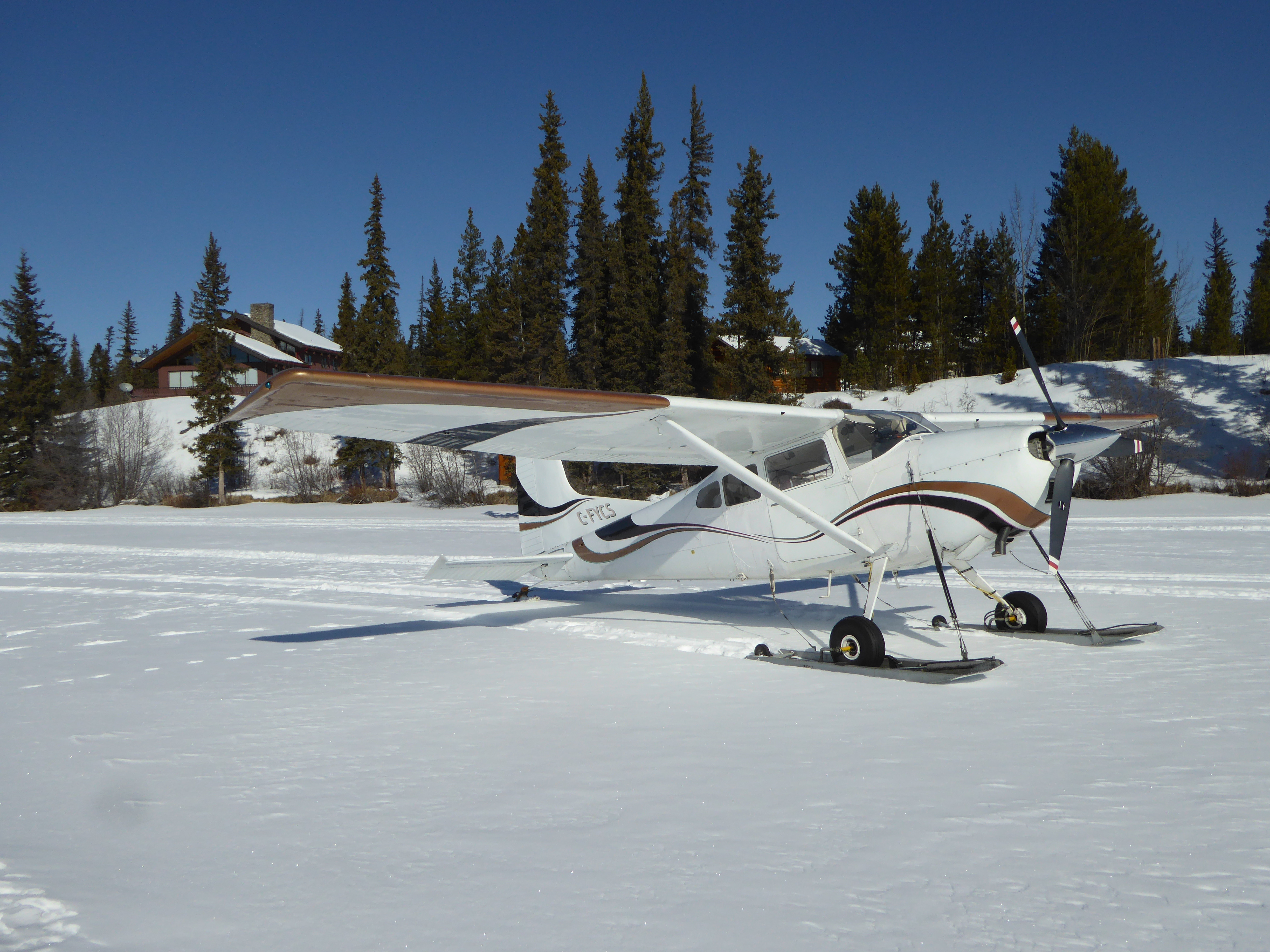
Ready for Ski Season? Prepping Ski-Equipped Aircraft for Winter
10-19-2026Flying season isn’t over once the leaves are down — it’s shifting. Owners who fly skis, floats, and wheels start thinking about the swap to skis well before the first real snowfall, and late October is the right window to plan it, rather than scrambling once strips start icing over.
Why a Tri-Fit Aircraft Earns Its Keep Here
An aircraft rigged for skis, floats, and wheels — like our currently listed 1979 Cessna A185F, C-GAIX — stays useful through every season instead of sitting idle once summer ends. For owners who split time between lake strips, backcountry gravel, and paved runways, that versatility is the whole point of flying a 185 in the first place.
What to Check Before the Switch to Skis
Ski installations deserve the same attention as any seasonal changeover: cables and pulleys inspected for wear, ski bungees and springs checked for tension, and control surfaces confirmed for full range of motion once the gear is mounted. It’s also worth reviewing the airplane’s weight and balance with skis installed, since the swap changes both.
Currency Matters as Much as the Aircraft
Ski flying rewards proactive planning — confirming strip conditions before departure, understanding how a given surface will handle the specific aircraft, and if it’s been a season or more since the last ski landing, booking time with an instructor experienced in ski operations before heading out solo.
Time the Swap Before Freeze-Up
Shops that handle ski rigging get busy fast once the first cold snap hits. Booking the changeover now, rather than waiting for the first snow to prompt it, means the aircraft is ready to fly the moment conditions are right instead of sitting grounded during a shop backlog.
Thinking about a ski-equipped aircraft for this winter? Contact Airside Aviation about C-GAIX before the season gets underway.